Introduction
If you're over 40 and dealing with sinus congestion, you know how miserable it can be. That stuffy nose, the pressure behind your eyes, the constant need to clear your throat—it disrupts sleep, makes work harder, and just drains your energy. While over-the-counter decongestants offer quick relief, many people are looking for gentler, longer-term solutions. The good news? Your kitchen likely holds several powerful allies. Foods that help clear sinus congestion naturally aren't just folk remedies—many are backed by solid science. In this article, we'll explore the research-supported options that can help reduce inflammation, thin mucus, and support your respiratory health from the inside out. By the end, you'll have a practical guide to anti-congestion eating that actually works.
Understanding Sinus Congestion: Causes and Background
Sinus congestion happens when the tissue lining your nasal passages and sinuses becomes inflamed and swells. This narrows the air passages and can trap mucus, creating that blocked, uncomfortable feeling. But why does this happen in the first place?
The most common culprits are viral infections (like the common cold), bacterial infections, and allergies. When your immune system detects a threat, it triggers inflammation as a defense mechanism. While inflammation is actually protective, too much of it leaves you feeling congested and miserable. Beyond infections and allergies, environmental irritants like pollution, cigarette smoke, and dry air can also inflame your sinuses.
For adults over 40, sinus issues can be particularly persistent. Your immune system changes with age, making you more susceptible to lingering infections. Additionally, the mucous membranes in your nose become naturally drier over time, which can increase irritation and congestion. Hormonal shifts (especially in women) and structural issues like a deviated septum can also contribute.
Understanding that congestion is essentially inflammation is the key to using nutrition as a solution. Certain foods are naturally anti-inflammatory, mucus-thinning, or immune-boosting. By incorporating foods that help clear sinus congestion naturally, you're addressing the underlying inflammation rather than just masking symptoms.
Recognizing Sinus Congestion: Signs and Symptoms
Sinus congestion can feel different from person to person, but there are some telltale signs. The most obvious is nasal stuffiness—that sensation of blocked airways that makes breathing through your nose difficult or impossible. Many people describe it as feeling like their sinuses are "full" or "heavy."
Beyond the stuffy nose, congestion often brings post-nasal drip, where mucus flows down the back of your throat. This can cause throat irritation, coughing, and hoarseness. You might also experience facial pressure or pain, especially around your forehead, cheeks, and between your eyes. Some people notice their sense of smell and taste are affected, which can make eating less enjoyable.
Sleep disruption is another major symptom many people overlook. When you're congested, sleeping becomes difficult. You might mouth-breathe, snore, or wake frequently throughout the night. This broken sleep then affects your energy, mood, and immune function the next day—creating a frustrating cycle.
Headaches frequently accompany sinus congestion. The pressure buildup in your sinuses can trigger tension headaches or migraines. Some people also experience ear fullness or mild hearing changes, since your sinuses and ear passages are connected.
If your congestion lasts more than 10 days, is accompanied by fever, or worsens over time, it's worth seeing a healthcare provider. Acute congestion from a cold usually resolves within a week or two, but chronic congestion warrants professional evaluation. Recognizing these symptoms early allows you to take action with dietary changes and natural approaches before the problem worsens.
The Daily Life Impact of Chronic Sinus Congestion
Living with ongoing sinus congestion affects more than just your comfort—it impacts your entire quality of life. Many adults report that congestion interferes with work productivity. Difficulty concentrating, frequent trips to clear your sinuses, and the mental fatigue from poor sleep all chip away at your ability to focus and perform.
Socially, congestion can be embarrassing. Constant nose-blowing, sniffling, and throat-clearing draw attention in meetings and social gatherings. Some people feel self-conscious about their appearance or worry others will think they're contagious.
The sleep disruption caused by congestion is particularly serious. A 2018 study published in the journal Sleep Health found that sinus congestion significantly impaired sleep quality and daytime alertness. Poor sleep then weakens your immune system, making you more vulnerable to infections and slower to recover from them—another frustrating cycle.
Mood and mental health can suffer too. Chronic discomfort, fatigue, and the sense of feeling unwell take an emotional toll. People with persistent sinus issues often report increased irritability, anxiety, and even depression. Additionally, congestion can worsen or trigger headaches and migraines, adding another layer of difficulty to daily life.
This is why investing time in natural solutions—including dietary changes—makes sense. Even modest improvements in congestion can meaningfully restore your quality of sleep, focus, and overall well-being.
Natural Approaches and Lifestyle Factors
While food is powerful, addressing sinus congestion effectively means combining dietary changes with other natural strategies. Hydration is foundational. Drinking plenty of water helps thin mucus, making it easier to clear. Most adults should aim for at least 8-10 glasses daily, and more if you're dealing with active congestion.
Humidity also matters significantly. Dry air irritates sinus membranes and thickens mucus. Using a humidifier in your bedroom and living spaces, especially during winter months, can reduce irritation and congestion. A simple hot shower or steam inhalation can provide immediate relief by moistening your airways.
Nasal saline rinses are another proven, drug-free option. Using a neti pot or saline spray to flush your nasal passages removes irritants and excess mucus. A 2016 randomized controlled trial in American Family Physician confirmed that saline nasal irrigation provides significant relief for both acute and chronic sinusitis.
Sleep position matters too. Keeping your head elevated with an extra pillow helps gravity drain mucus and reduces pooling in your sinuses. Sleeping on your side can also help, as it prevents mucus from collecting in the center of your nasal passages.
Finally, identify and reduce exposure to irritants and allergens. If dust, pollen, pet dander, or smoke trigger your congestion, minimize exposure when possible. For many people, combining these lifestyle adjustments with strategic dietary choices creates a powerful, natural approach to managing congestion.
Key Nutrients and Dietary Approaches for Sinus Health
Certain nutrients are particularly important for sinus and immune health. Vitamin C is well-known for supporting immune function and reducing inflammation. A 2017 meta-analysis in Nutrients found that vitamin C may shorten the duration of colds and reduce symptom severity. Citrus fruits, bell peppers, kiwis, and berries are all excellent sources.
Zinc plays a critical role in immune response. Multiple studies have shown that zinc lozenges or supplements taken early in a cold can reduce duration and severity. While you won't get therapeutic doses from food alone, incorporating zinc-rich foods like oysters, beef, pumpkin seeds, and chickpeas supports baseline immune health.
Quercetin is a naturally occurring flavonoid with anti-inflammatory and antihistamine properties. A 2016 study in the International Journal of Molecular Sciences highlighted quercetin's ability to stabilize mast cells and reduce allergic inflammation. Apples, onions, berries, and green tea all contain quercetin.
Bromelain, an enzyme found in pineapple, has demonstrated anti-inflammatory effects. Research published in Evidence-Based Complementary and Alternative Medicine showed that bromelain reduced sinus swelling and improved drainage in some participants.
Capsaicin, the compound that gives chili peppers their heat, stimulates nasal mucus secretion and may help clear congestion. This is why spicy foods often feel helpful when you're stuffy. Curcumin in turmeric also has potent anti-inflammatory properties backed by decades of research. These micronutrients work together synergistically, which is why whole-food approaches often work better than single supplements.
Foods That Help Clear Sinus Congestion Naturally: Practical Options
Now let's get specific about which foods that help clear sinus congestion naturally you should prioritize.
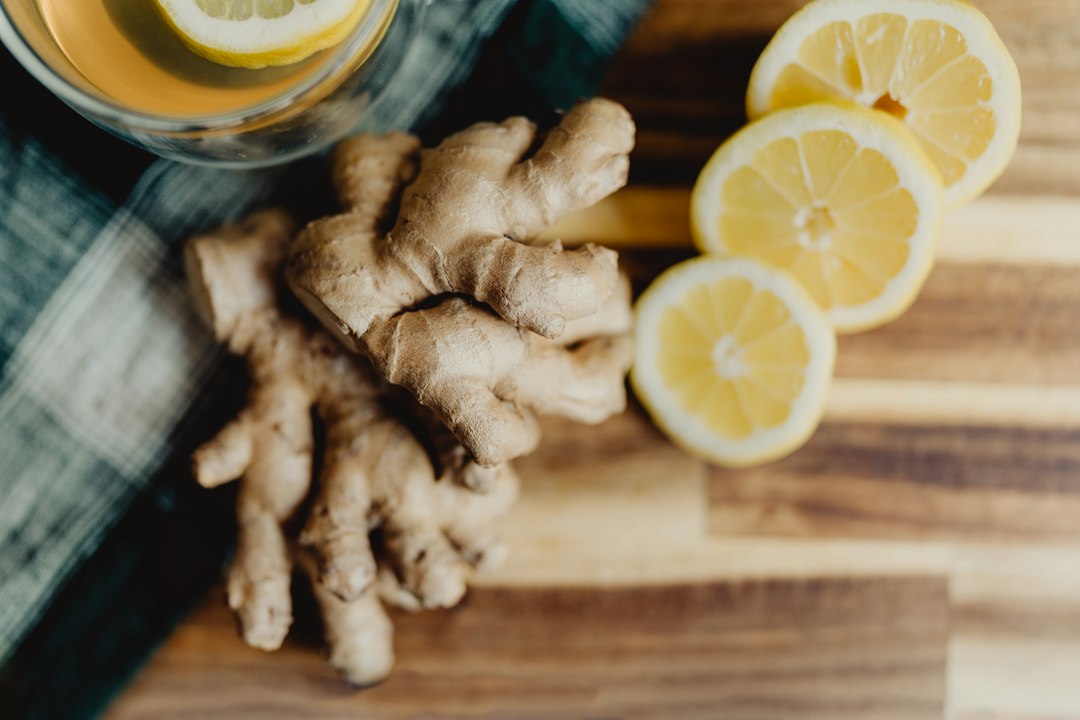
Ginger is a powerhouse for congestion. It contains gingerols, compounds with documented anti-inflammatory effects. Fresh ginger tea or ginger added to meals can help reduce mucus inflammation and improve drainage. A 2013 study in the Journal of Medicinal Food found that ginger reduced markers of inflammation in respiratory tissues.
Garlic contains allicin, which has antimicrobial and anti-inflammatory properties. Raw garlic is most potent, but cooked garlic still offers benefits. Adding garlic to soups, stir-fries, and salads is an easy way to incorporate this powerful food.
Turmeric contains curcumin, one of the most studied anti-inflammatory compounds. Adding turmeric to rice, curries, or golden milk (turmeric with black pepper and milk) can help reduce sinus inflammation. Black pepper enhances curcumin absorption, so combining them is ideal.
Hot peppers and chili contain capsaicin, which triggers mucus secretion and temporarily opens airways. This is why spicy food feels helpful when you're congested. The effect is temporary but can provide meaningful relief.
Citrus fruits (oranges, lemons, grapefruits) provide vitamin C and support immune function. A 2007 review in Allergy found that vitamin C supports healthy inflammatory responses in the respiratory tract.
Berries contain anthocyanins and other antioxidants with anti-inflammatory properties. Blueberries, strawberries, and raspberries all offer benefits and taste great in smoothies or bowls.
Onions contain quercetin and other sulfur compounds with anti-inflammatory effects. Raw onions are most potent, though cooked onions still offer value. Many traditional cultures use onion-based remedies for respiratory congestion for good reason.
Pineapple contains bromelain, which multiple studies have shown reduces sinus inflammation and swelling. Fresh pineapple is best, as the enzyme is damaged during processing.
Green tea provides catechins, polyphenols with antioxidant and anti-inflammatory properties. A 2018 study in Phytotherapy Research found that green tea catechins supported respiratory health and reduced inflammatory markers.
Bone broth provides collagen, amino acids, and minerals that support mucous membrane health. Simmering bones for 12-24 hours extracts these nutrients, creating a nourishing base for soups.
This is why many adults turn to targeted nutritional support formulas — VapoCept is one option specifically formulated to work alongside dietary changes, combining several of these nutrient categories in convenient supplement form.
Beyond individual foods, consider an overall dietary approach. Mediterranean and anti-inflammatory eating patterns naturally include many of these congestion-fighting foods. Avoiding processed foods, excess sugar, and inflammatory oils can also reduce systemic inflammation that worsens sinus symptoms.
Frequently Asked Questions
Q: How quickly can dietary changes help with sinus congestion?
A: Most people notice some improvement within a few days to a week of consistently eating anti-inflammatory foods and staying well-hydrated. However, if your congestion is from an active infection, dietary changes work best alongside other natural approaches like saline rinses and humidity. For chronic congestion, expect gradual improvement over 2-3 weeks as inflammation subsides.
Q: Are there foods I should avoid if I have sinus congestion?
A: Yes. Dairy products can thicken mucus for some people, though not everyone is affected equally. Processed foods, sugar, and refined carbohydrates promote inflammation. Alcohol and high-sodium foods can also worsen congestion. Identifying your personal triggers through elimination can be helpful.
Q: Can I use these foods if I'm taking other congestion treatments?
A: Absolutely. Anti-inflammatory foods work well alongside saline rinses, humidifiers, and most over-the-counter treatments. However, if you're taking prescription medications, check with your doctor before adding supplements—some herbal preparations can interact with medications. Food-based approaches are generally safe to combine with most standard treatments.
Sinus congestion can severely impact your sleep, focus, and quality of life—and over-the-counter solutions don't always address the root problem. The dietary and lifestyle approaches covered here provide a science-backed foundation for natural relief. If you're looking to go deeper and explore how targeted nutritional support might complement these dietary changes, learn more about VapoCept and see if it aligns with the nutrients discussed in this article.